How to Choose the Right Replacement Water Pump for Your Evaporative Cooler
A practical guide to selecting a compatible water pump — match by interface type, voltage, flow rate and head pressure to avoid costly mismatches.
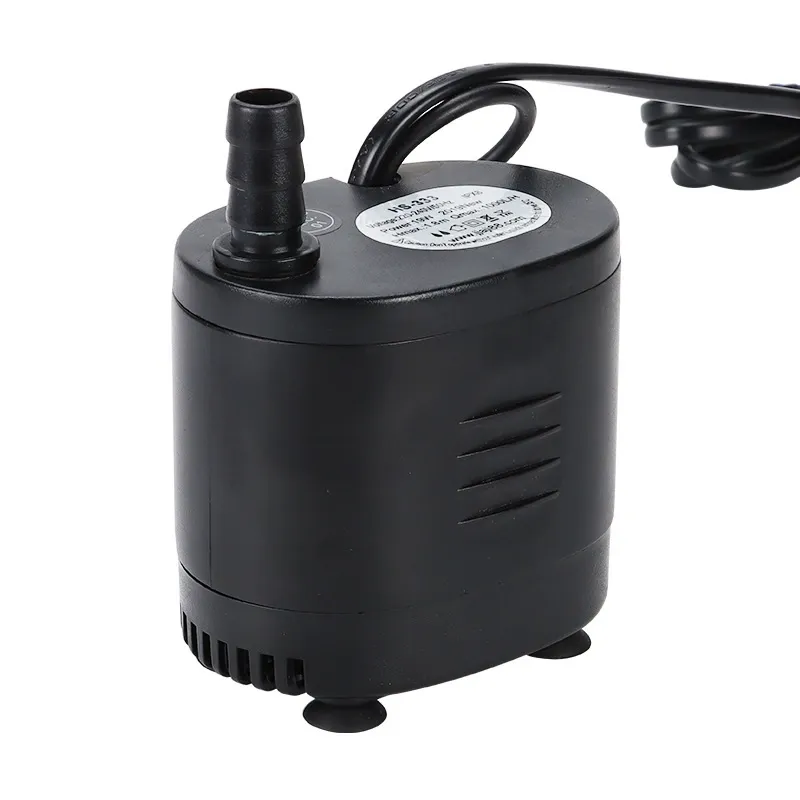
Replacing a water pump in an evaporative cooler sounds simple — until you discover that the wrong interface type, voltage, or flow rating can render a brand-new pump useless. This guide walks you through the key specifications to check before ordering a replacement.
1. Identify the Interface Type
The first thing to check is how the pump connects to your cooler’s plumbing. The three most common interface types are:
- Threaded connection (1/2” or 3/4” NPT) — the most reliable and widely used. Simply screw in and seal with PTFE tape.
- Push-fit connection — quick install with no tools, but requires clean, round tubing for a proper seal.
- Hose barb — slides into flexible hose and secures with a clamp. Common in portable coolers.
Mismatching the interface type is the number-one reason for returns. Always measure or photograph the existing connection before ordering.
2. Check Voltage and Frequency
Most portable evaporative coolers use 110V / 60Hz pumps (North American standard). Larger cabinet units may use 220V or even 380V three-phase motors. Check the label on your existing pump or the cooler’s nameplate.
Installing a 110V pump on a 220V circuit will destroy the pump instantly. When in doubt, use a multimeter to verify the supply voltage at the pump connector.
3. Match Flow Rate and Head Pressure
Flow rate (measured in L/h or GPH) determines how much water the pump delivers. Head pressure (measured in meters) determines how high it can push water.
| Cooler Size | Typical Flow Rate | Typical Head |
|---|---|---|
| Portable (≤5,000 CFM) | 1,500 – 2,500 L/h | 1.5 – 2.5 m |
| Cabinet (5,000 – 15,000 CFM) | 3,000 – 5,000 L/h | 2.5 – 4.0 m |
| Industrial (>15,000 CFM) | 5,000 – 10,000 L/h | 4.0 – 8.0 m |
Choose a pump with equal or slightly higher flow rate than the original. Too low and the cooling pads won’t get wet evenly; too high and you risk overflow.
4. Consider the Operating Environment
If your cooler operates in hard-water areas, mineral scale will shorten pump life. Look for pumps with:
- Corrosion-resistant impellers (stainless steel or engineering plastic)
- Replaceable strainers to catch debris before the pump
- Thermal overload protection to prevent burnout during dry-run conditions
Quick-Check Summary
Before ordering your replacement pump, verify these four items:
- Interface type and size (threaded / push-fit / hose barb)
- Voltage and frequency (110V/60Hz, 220V/50Hz, etc.)
- Flow rate and head pressure requirements
- Physical dimensions — will it fit in the existing sump?
With these four data points, you can confidently match a replacement pump without needing the original model number.
Ready to find your pump?
Browse our catalog of compatible replacement water pumps with detailed specs and photos.
Browse Water Pumps →